Quartz Events Sponsor Matching Companies: Complete Guide to Finding the Right Event Sponsors (2026)
Finding the right sponsors is one of the biggest challenges event organizers face today. Whether you are planning a business conference, nonprofit fundraiser, trade show, sports tournament, music festival, educational seminar, or networking event, sponsorships often determine whether your event becomes a success.
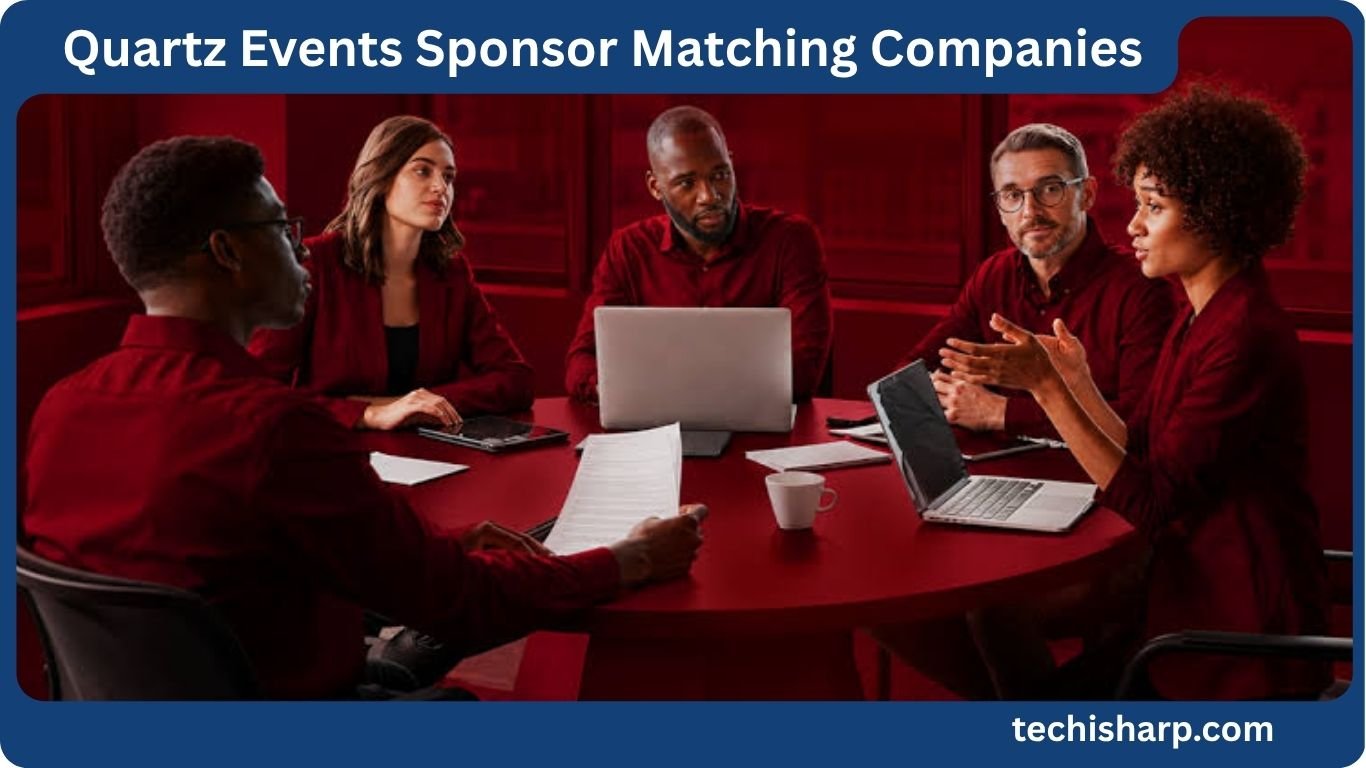
This is where quartz events sponsor matching companies play an important role. These organizations help event planners identify businesses that align with their audience, goals, and event values. Instead of sending hundreds of sponsorship requests with little success, organizers can connect with companies that are genuinely interested in supporting similar events.
As sponsorship marketing becomes more data-driven, sponsor matching services have evolved beyond simple business directories. Modern platforms use audience insights, industry research, artificial intelligence, market analysis, and relationship management tools to increase the chances of successful sponsorship partnerships.
This complete guide explains everything you need to know about quartz events sponsor matching companies, including how they work, their benefits, the sponsor matching process, common mistakes, industry trends, and expert strategies for maximizing sponsorship revenue.
Whether you are a first-time event planner or an experienced event professional, this guide will help you understand how sponsor matching creates better partnerships and long-term business growth.
What Are Quartz Events Sponsor Matching Companies?
Quartz events sponsor matching companies are organizations or specialized platforms that help event planners identify, approach, and secure sponsors whose goals match the objectives of a particular event.
Rather than randomly contacting businesses, these companies analyze multiple factors, including:
- Event type
- Audience demographics
- Industry relevance
- Geographic location
- Brand values
- Marketing objectives
- Budget compatibility
- Previous sponsorship history
- Consumer interests
Their goal is simple: connect the right sponsor with the right event.
Instead of focusing only on financial support, modern sponsor matching emphasizes creating partnerships where both the sponsor and the event organizer receive measurable value.
Why Sponsor Matching Matters More Than Ever
The sponsorship industry has become extremely competitive.
Companies receive thousands of sponsorship requests every year. Most are rejected because they do not fit the company’s marketing strategy.
Sponsor matching helps avoid this problem by focusing only on businesses that have a genuine reason to sponsor your event.
Some important reasons include:
- Higher approval rates
- Better long-term partnerships
- Improved attendee experience
- Increased event credibility
- Higher sponsorship revenue
- Stronger brand alignment
- Better marketing results for sponsors
This approach saves time for both organizers and businesses.
Also Read:Bumpdots.com: The Complete Guide to the AI and Technology Publication in 2026
How Quartz Events Sponsor Matching Companies Work
Although every company has its own process, most follow a similar system.
Step 1: Event Discovery
The organizer provides detailed information, including:
- Event name
- Event purpose
- Expected attendance
- Target audience
- Industry
- Location
- Marketing channels
- Sponsorship opportunities
- Budget
The more information provided, the easier it becomes to identify ideal sponsors.
Step 2: Audience Analysis
Successful sponsorship depends heavily on audience quality.
Matching companies evaluate:
- Age groups
- Gender distribution
- Professional background
- Income levels
- Education
- Buying habits
- Consumer interests
- Online behavior
- Geographic regions
This information helps identify brands that already target similar customers.
Step 3: Sponsor Research
Instead of contacting random businesses, sponsor matching specialists research companies based on:
- Marketing goals
- Recent campaigns
- Community involvement
- Previous event sponsorships
- Corporate social responsibility initiatives
- Product launches
- Industry expansion
- Budget availability
This increases the likelihood of sponsorship approval.
Step 4: Compatibility Scoring
Many modern platforms assign compatibility scores.
These scores compare factors such as:
- Audience overlap
- Brand image
- Marketing objectives
- Industry relevance
- Event size
- Geographic focus
- Expected return on investment
Higher compatibility usually leads to better sponsorship outcomes.
Step 5: Proposal Development
Some quartz events sponsor matching companies also help create sponsorship proposals.
These proposals include:
- Event overview
- Audience insights
- Marketing opportunities
- Sponsorship packages
- Pricing
- Brand exposure
- Return on investment expectations
- Partnership benefits
Professional proposals significantly improve acceptance rates.
Step 6: Sponsor Outreach
After identifying potential sponsors, companies help organizers contact decision-makers through:
- Email campaigns
- LinkedIn networking
- Phone outreach
- Business introductions
- Industry conferences
- Referral networks
Personalized outreach often performs much better than mass email campaigns.
Step 7: Negotiation Support
Many services assist during negotiations by helping organizers determine:
- Sponsorship pricing
- Branding opportunities
- Speaking sessions
- Booth placement
- Digital advertising
- VIP experiences
- Exclusive partnerships
Clear negotiations help build stronger relationships.
Types of Events That Benefit Most
Quartz events sponsor matching companies support many industries.
Popular event categories include:
Business Conferences
Professional conferences often attract sponsors from:
- Software companies
- Financial institutions
- Consulting firms
- Technology providers
- Recruitment companies
Nonprofit Fundraisers
Charitable events commonly attract:
- Local businesses
- Banks
- Healthcare providers
- Community organizations
- Retail brands
Sports Events
Sponsors may include:
- Athletic brands
- Nutrition companies
- Beverage manufacturers
- Insurance companies
- Fitness businesses
Educational Events
Potential sponsors include:
- Universities
- Technology companies
- Book publishers
- Online learning platforms
- Career development organizations
Music Festivals
Sponsors often include:
- Beverage companies
- Telecommunications providers
- Lifestyle brands
- Entertainment businesses
- Travel companies
Trade Shows
Trade shows naturally attract companies selling products and services to attendees.
Industries That Frequently Sponsor Events
Understanding sponsor industries helps improve your search.
Common sponsoring industries include:
- Technology
- Healthcare
- Banking
- Insurance
- Automotive
- Hospitality
- Food and Beverage
- Consumer Electronics
- Real Estate
- Education
- Retail
- Manufacturing
- Telecommunications
- Travel
- Professional Services
Companies within these industries regularly invest in event marketing because it helps generate leads and strengthen brand awareness.
Benefits of Working With Quartz Events Sponsor Matching Companies
Saves Valuable Time
Finding sponsors manually can take months.
Matching companies already have research systems and industry knowledge that speed up the process.
Better Sponsor Quality
Quality matters more than quantity.
Five highly relevant sponsors often outperform twenty unrelated businesses.
Higher Sponsorship Revenue
Better matches usually result in:
- Larger sponsorship packages
- Multi-year agreements
- Premium partnerships
- Exclusive sponsorships
Increased Sponsor Satisfaction
Sponsors appreciate partnerships where their marketing goals are achieved.
Satisfied sponsors often return for future events.
Better Event Reputation
Well-known sponsors increase attendee confidence and media attention.
Stronger Long-Term Relationships
Successful partnerships often continue for years, reducing future sponsorship efforts.
What Makes a Great Sponsor Match?
Not every company is suitable for every event.
A successful sponsor match includes several factors.
Audience Alignment
The sponsor should want to reach your attendees.
For example, software companies benefit from technology conferences more than cooking festivals.
Shared Values
Brands increasingly support events that reflect their mission.
Examples include:
- Sustainability
- Education
- Diversity
- Innovation
- Community service
- Health awareness
Marketing Objectives
Sponsors may seek:
- Brand awareness
- Product demonstrations
- Lead generation
- Customer engagement
- Recruitment
- Public relations
Your event should support these goals.
Geographic Relevance
Many companies sponsor events within their operating regions.
Local businesses especially value nearby audiences.
Also Read:Merfez: Meaning, Origins, Modern Uses, and Why This Unique Concept Is Gaining Attention in 2026
Budget Compatibility
Small local events may not fit multinational corporations, while international conferences may require larger sponsors.
Finding appropriate budget alignment benefits both parties.
Technology Behind Modern Sponsor Matching
Today’s quartz events sponsor matching companies increasingly rely on advanced technology.
These tools improve decision-making and efficiency.
Examples include:
- Artificial intelligence
- Machine learning
- Predictive analytics
- CRM systems
- Audience segmentation
- Marketing automation
- Behavioral analysis
- Data visualization
- Digital sponsorship tracking
Technology reduces guesswork and improves sponsorship accuracy.
Common Challenges Event Organizers Face
Even experienced organizers encounter sponsorship obstacles.
Some common challenges include:
Limited Brand Recognition
New events often struggle to gain sponsor confidence.
Poor Sponsorship Proposals
Generic proposals rarely impress companies.
Unrealistic Pricing
Charging too much or too little reduces sponsorship success.
Weak Audience Data
Sponsors expect reliable attendance statistics.
Late Outreach
Many sponsorship budgets are allocated months before events.
Late requests often fail regardless of event quality.
Expert Tips for Securing More Sponsors
Professional event planners often follow these best practices.
Start Early
Begin sponsor research six to twelve months before your event.
Know Your Audience
Collect detailed attendee information through surveys, registrations, and analytics.
Personalize Every Proposal
Avoid sending identical sponsorship requests.
Customize proposals for each company.
Show Clear Value
Explain exactly how sponsors benefit.
Use measurable outcomes whenever possible.
Build Relationships
Successful sponsorship is relationship-driven.
Stay connected with sponsors throughout the year.
Offer Flexible Packages
Different companies have different budgets.
Provide multiple sponsorship levels.
Measure Results
After the event, share performance reports.
Include:
- Attendance numbers
- Social media reach
- Website traffic
- Lead generation
- Brand impressions
- Media coverage
These reports encourage future sponsorships.
Mistakes to Avoid
Many sponsorship opportunities are lost because of avoidable mistakes.
Avoid these common problems:
- Contacting unrelated companies
- Sending generic proposals
- Ignoring sponsor objectives
- Overpricing sponsorship packages
- Waiting too long to start outreach
- Failing to follow up
- Promising unrealistic results
- Neglecting post-event communication
- Forgetting sponsor recognition
- Missing deadlines
Correcting these issues greatly improves sponsorship success.
Future Trends in Sponsor Matching
The sponsorship industry continues evolving.
Several trends are shaping the future.
AI-Powered Matching
Artificial intelligence will continue improving sponsor recommendations.
Better Audience Analytics
Real-time attendee insights will become standard.
Personalized Sponsorship Experiences
Sponsors increasingly expect customized opportunities.
Sustainability Partnerships
Environmentally responsible events attract more corporate support.
Hybrid Events
Both virtual and in-person sponsorship opportunities will continue growing.
Performance-Based Sponsorships
More agreements will focus on measurable business outcomes instead of simple logo placement.
How Small Events Can Compete
Many organizers believe sponsorship only works for large conferences.
This is no longer true.
Smaller events succeed by focusing on:
- Highly engaged audiences
- Strong community connections
- Local partnerships
- Industry specialization
- Authentic experiences
- Clear sponsorship value
A focused audience is often more valuable than a large but less engaged crowd.
Measuring Sponsorship Success
Every partnership should include measurable goals.
Common metrics include:
- Event attendance
- Sponsor satisfaction
- Website visits
- Social media engagement
- Brand awareness
- Lead generation
- Sales inquiries
- Email subscribers
- Customer acquisitions
- Return on investment
Tracking these numbers helps improve future sponsorship strategies.
Building Long-Term Sponsor Relationships
Winning one sponsor is good.
Keeping sponsors for multiple years is even better.
Maintain strong relationships by:
- Providing regular updates
- Sharing marketing results
- Thanking sponsors publicly
- Inviting feedback
- Offering early renewal opportunities
- Recognizing sponsors throughout the year
- Creating exclusive partnership benefits
Long-term sponsors provide financial stability and stronger event credibility.
How to Choose the Best Quartz Events Sponsor Matching Companies
Not all sponsor matching providers offer the same level of service.
Before selecting one, evaluate several important factors.
Industry Experience
Choose companies that understand your event category. A provider with experience in nonprofit events may use different strategies than one focused on technology conferences or entertainment festivals.
Quality of Sponsor Database
A strong sponsor network should include businesses from different industries, company sizes, and geographic regions. A larger database usually creates more matching opportunities.
Data and Research Capabilities
The best providers rely on accurate audience research rather than guesswork. They should be able to explain why each sponsor is a good fit.
Communication Support
Some companies only provide sponsor lists, while others assist with proposal writing, outreach, negotiations, and reporting. Full-service support often produces better results.
Performance History
Look for companies that can demonstrate successful sponsorship partnerships and measurable outcomes. While every event is different, proven experience increases confidence.
Transparent Pricing
Understand exactly what services are included before signing an agreement. Clear pricing prevents misunderstandings later.
Creating Sponsorship Packages That Companies Want
Even with excellent sponsor matching, your sponsorship package must provide value.
Also Read:Seekde: The Complete Guide to the AI-Powered Discovery and Learning Platform in 2026
An attractive package may include:
- Event naming rights
- Logo placement on promotional materials
- Speaking opportunities
- Exhibition booths
- Product demonstrations
- VIP networking access
- Email marketing exposure
- Social media promotion
- Mobile app advertising
- Website recognition
- Press release mentions
- Video advertisements
- Hospitality experiences
Offering several package levels allows businesses of different sizes to participate.
Final Thoughts
Quartz events sponsor matching companies have transformed the way modern events secure sponsorships. Instead of relying on cold outreach and guesswork, organizers can now use research, audience insights, technology, and strategic planning to build partnerships that benefit everyone involved.
The most successful sponsorships are based on shared goals rather than simple financial support. When a company’s target audience aligns with an event’s attendees, both sides receive greater value. Sponsors gain qualified exposure, while organizers receive funding, credibility, and long-term business relationships.
As artificial intelligence, predictive analytics, and data-driven marketing continue to improve, sponsor matching will become even more accurate and efficient. Event organizers who embrace these innovations will be better positioned to attract quality sponsors, increase revenue, and create memorable experiences for attendees.
Whether you are planning a local fundraiser, a national conference, or a large industry exhibition, investing time in finding the right sponsorship partners is one of the smartest decisions you can make.
Frequently Asked Questions
What are quartz events sponsor matching companies?
Quartz events sponsor matching companies are organizations or platforms that help event planners identify businesses whose marketing goals align with a specific event, making it easier to secure meaningful sponsorships.
Are sponsor matching services only for large events?
No. Small community events, nonprofit fundraisers, startup conferences, and local festivals can also benefit from sponsor matching services.
How early should I begin looking for sponsors?
Most professionals recommend starting six to twelve months before the event, especially for larger conferences or annual events.
Do sponsor matching companies guarantee sponsorship?
No reputable company can guarantee sponsorship approval. However, they significantly improve your chances by identifying companies that are more likely to be interested in your event.
Can virtual events use sponsor matching services?
Yes. Online and hybrid events are increasingly popular, and many sponsors actively support digital experiences through webinars, virtual booths, online branding, and sponsored sessions.
What information should I prepare before contacting a sponsor matching company?
Prepare your event goals, expected attendance, audience demographics, marketing plan, sponsorship opportunities, event budget, and previous event performance if available.
How can I convince a company to renew its sponsorship?
Provide detailed post-event reports, maintain communication throughout the year, recognize the sponsor publicly, and demonstrate measurable return on investment.